Berries
Why berries?
Classic Scottish fruit, bursting with flavour and vitamins, some form of berry should be included in every growing space. It would be rude not to! Strawberries can be grown in containers, from pots to hanging baskets; raspberries, currants, and gooseberries do best in fertile open ground.
There are many different berries out there to choose from; we stick to a few popular basics to get you started. As with all other fruit and veg in Scotland, growing a few different varieties to flower and fruit at different times ensures nectar for the bees and fruit for you over a longer period.
Strawberries are a winner for welcoming kids and young families into a community growing setting. You can’t have too much fruit. Try blackcurrants to grow your own blackcurrant juice!


Where?
Choose your sunniest spot for sweet berries from mid-summer, with autumn raspberries producing fruit until the first frost. Strawberries, raspberries, etc., grown in open ground need good, fertile soil; if in doubt, add a general organic fertiliser before planting. Strawberries can also be grown in pots, bread trays, or whatever you have to hand, but do be careful not to let them dry out in containers.
If you have a glasshouse or tunnel, why not extend your fruiting season by growing some fruits under cover for an early crop and some outdoors?
Growing Tips
When planting strawberries, check that they have healthy roots; if roots seem minimal or come away in your hands, look for creamy grubs with little brown heads. These are most likely vine weevil, a common garden pest that loves strawberry plants. The grubs will eat away at the roots, and the adult weevil leaves little notches in your leaves. Squidge the grubs between your fingers or leave them out for the birds.
Water plants carefully directly onto the soil at the base of the plant to prevent fungal issues, which can give you mouldy strawberries.
Strawberries grown in containers will need a weekly liquid feed once they start flowering to give the plants enough nutrients to keep flowering and fruiting.
Covering strawberries with clear plastic to act as a mini greenhouse can give you earlier crops- remember, the bees need to get in under any cover to pollinate the flowers, and you will need to water the plants more frequently.

More growing tips
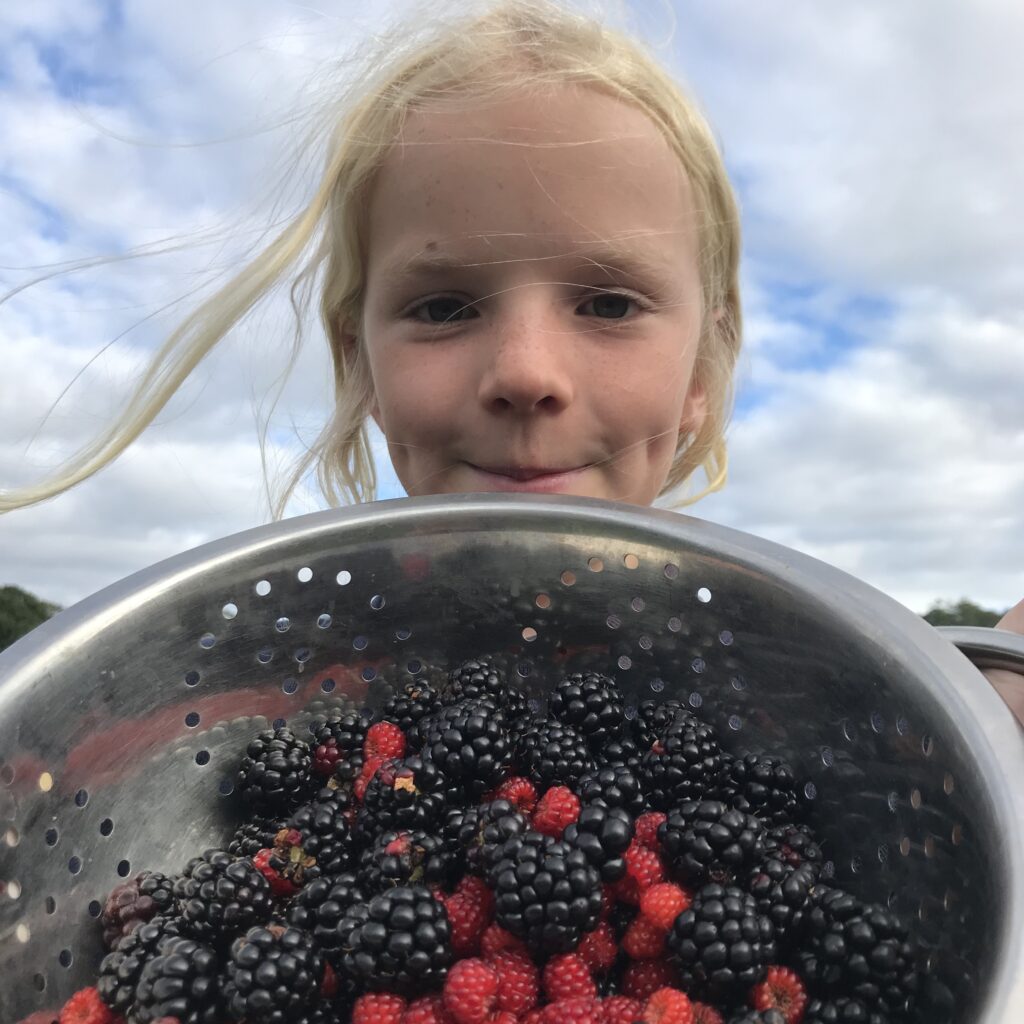
Once you have delicious fruit, beware of squirrels, mice and birds! If you don’t want to feed furry and feathered friends, cover your fruit with nets or try old c.d’s.
Watch out for runners where the plant sends out young plants from mid summer onwards, you can cut these off and plant/pot them on or compost them.
You can also take hardwood cuttings of blackcurrants and gooseberries through the winter to grow more bushes for free.
Raspberries come in two main types- summer and autumn fruiting varieties- growing both types will give you fruit all summer. To help you prune summer fruiting canes at the end of July and autumn fruiting canes to the ground in the winter months, be careful to keep canes well-labelled and planted apart.
Also try thornless blackberries, wineberries and tayberries up a sunny wall or wire if you are short of space.
If you are establishing a new garden in your community setting and can afford a small budget, all this fruit is much cheaper bought in the winter months and planted bare root (quite literally) and bought direct from fruit suppliers.
Grow 6
Every growing space and every season is different and changes how we grow. Grow 6 is a place to start to practice and learn how to grow and adapt to these changes in your growing setting. Along with supporting new growers through regular updates, your tips and experiences are welcome as we all ‘Get Growing’.
